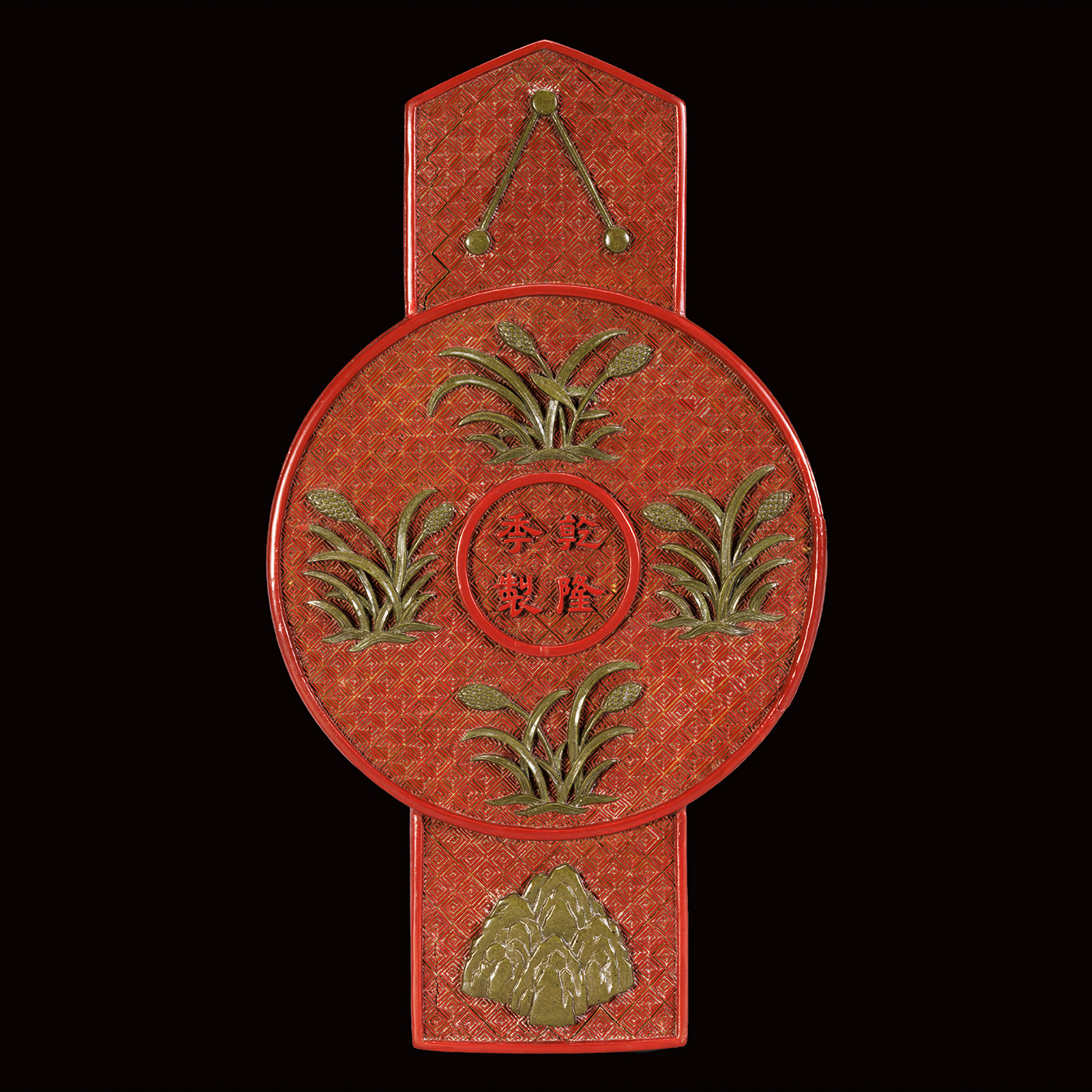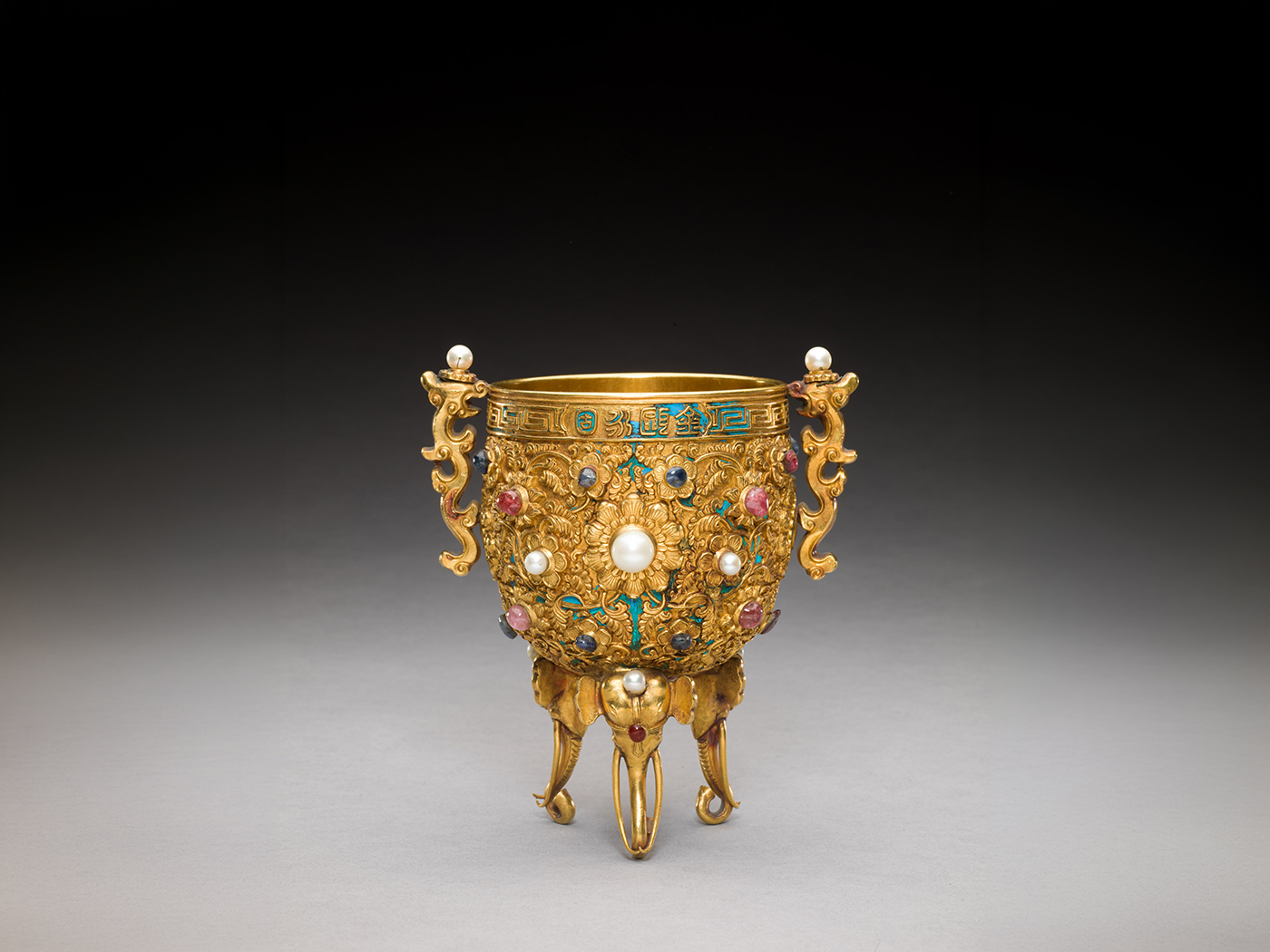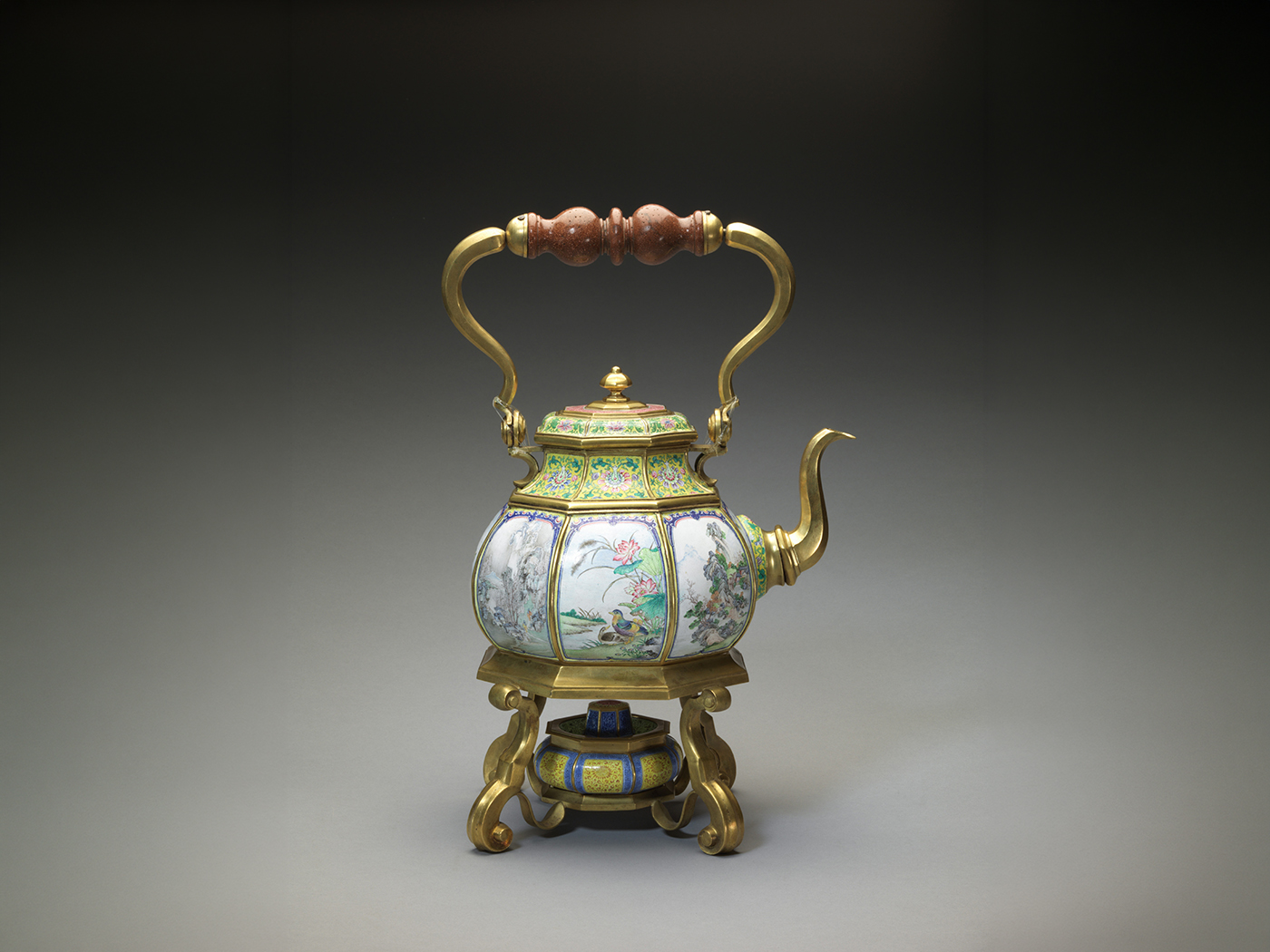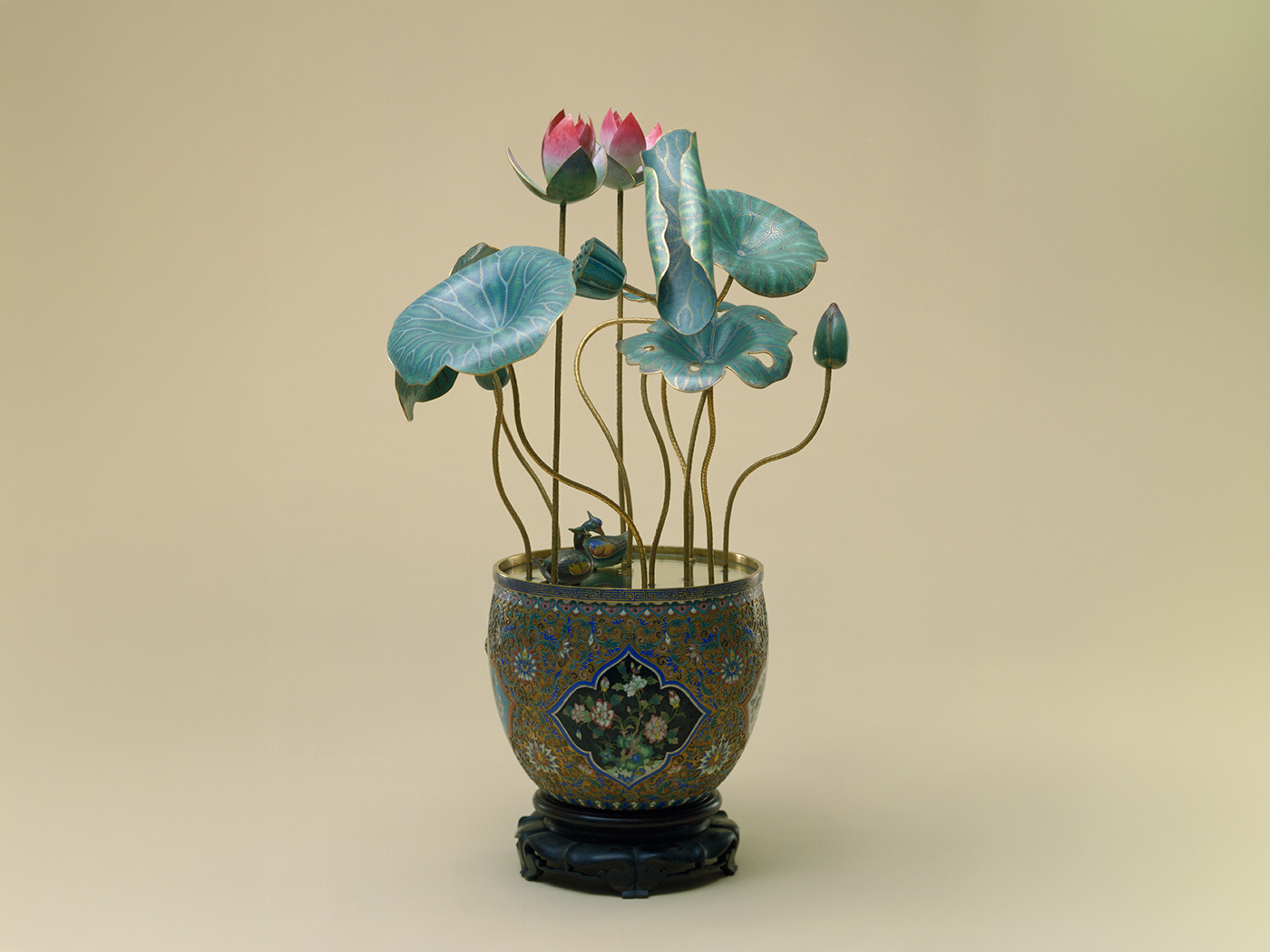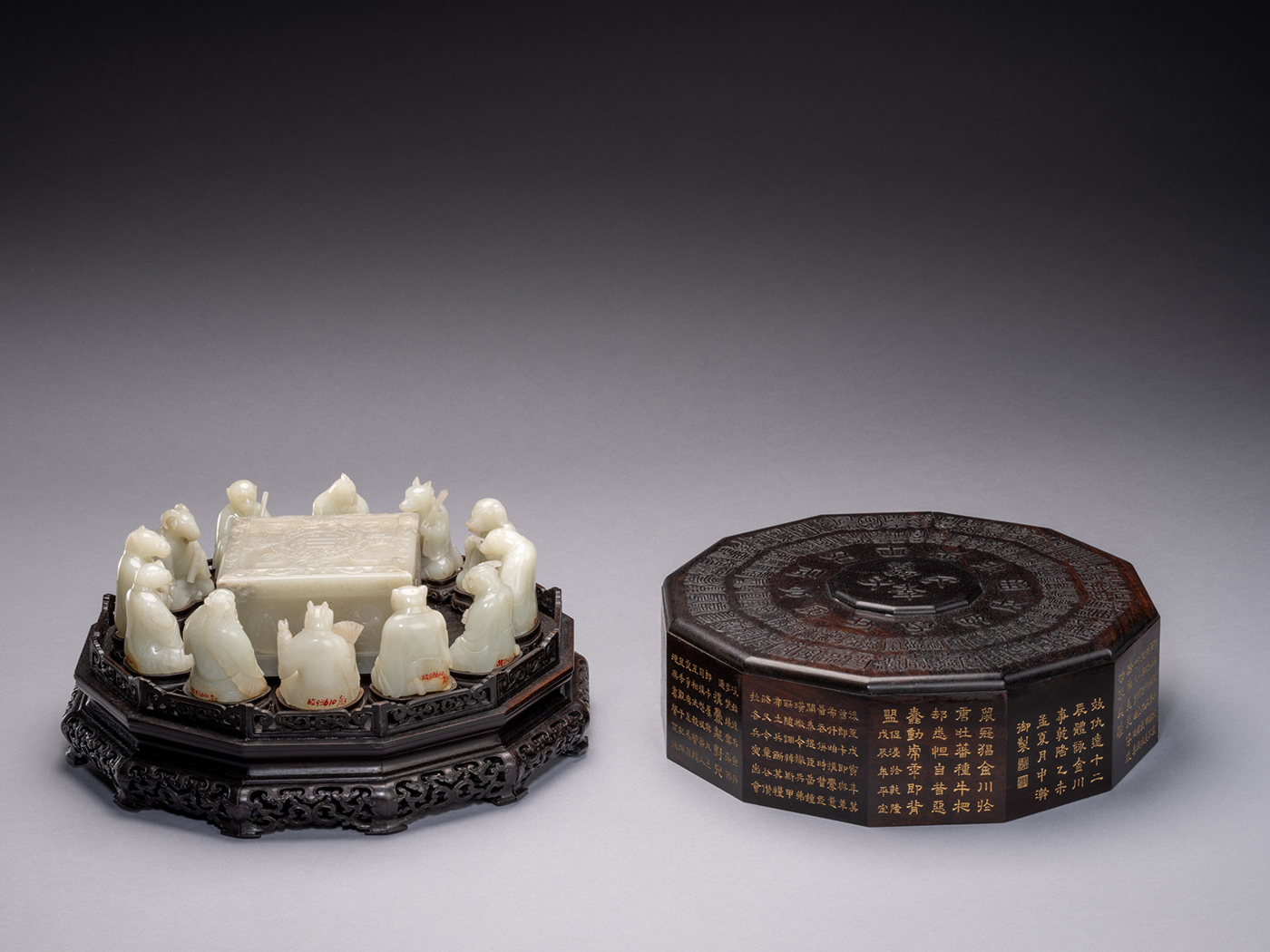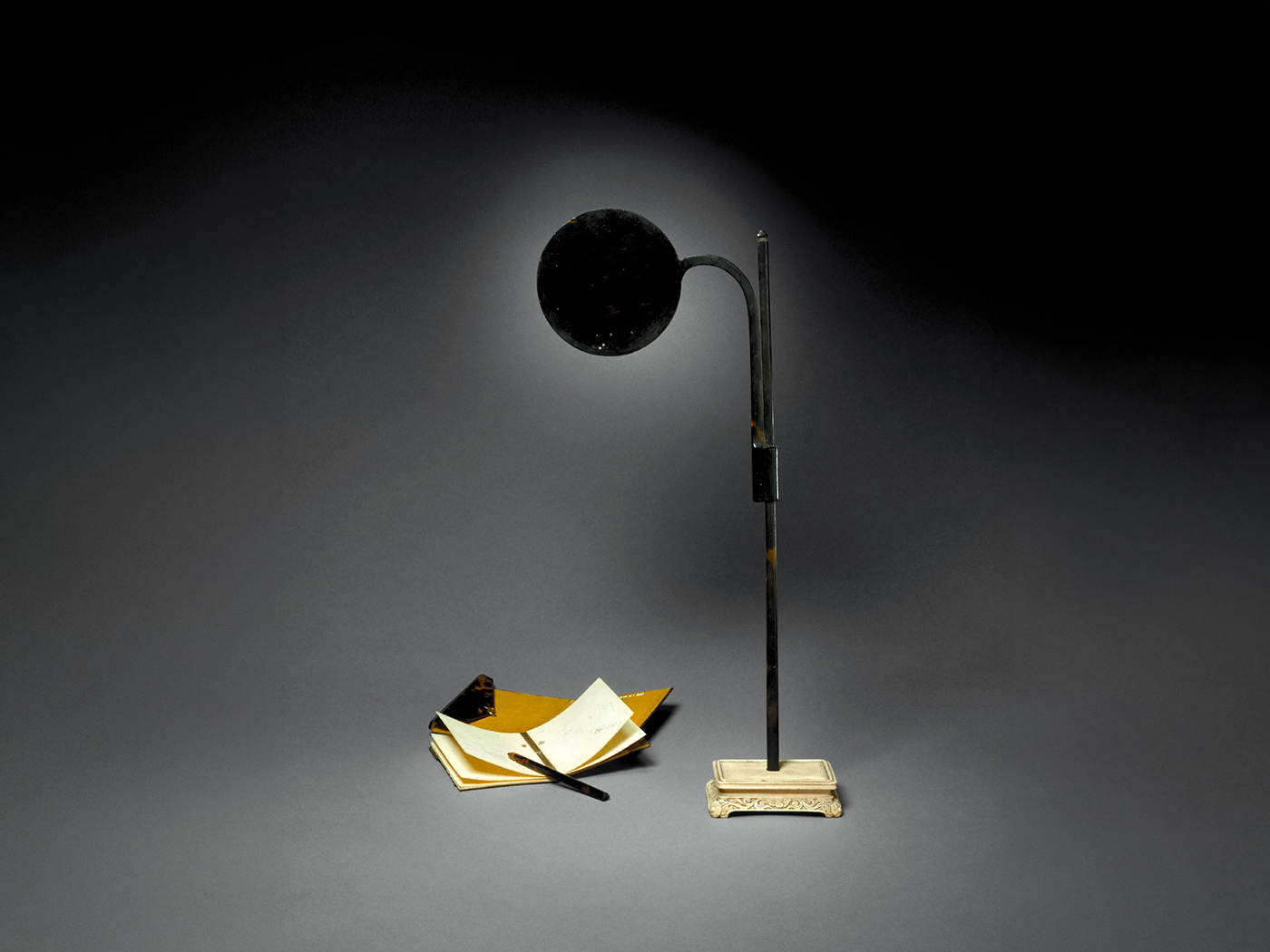

The Imperial Workshops were entrusted with the vital task of supplying and maintaining the many objects used by and displayed for the emperors during the Qing dynasty (1644–1911). The Workshops were established inside the Forbidden City during the Kangxi period (1662–1722), reached its peak during the Yongzheng (1723–1735) and Qianlong (1736–1795) periods, and disbanded in the early 20th century. Within dozens of specialised workshops, skilled craftsmen from across China used the finest materials to produce everything from daily items to breathtaking masterpieces. The wide array of objects they created exemplifies the height of Qing court aesthetics and craftsmanship and forms a significant part of The Palace Museum’s vast collection today.
Bringing together over 150 spectacular objects from The Palace Museum, this is the first major exhibition to explore the history, organisational structure, use of materials, and production processes—as well as the artistic ingenuity and achievements—of the Imperial Workshops. By inviting Hong Kong designers and other creative talents to participate in the exhibition design, the exhibition presents court aesthetics from a fresh perspective and opens up a dialogue between Qing and contemporary life and design.
The exhibition is jointly organised by the Hong Kong Palace Museum and The Palace Museum. COLLECTIVE Studio provided artistic and construction direction for the exhibition design. The Design and Cultural Studies Workshop provided part of the exhibition’s infographic design.
Jointly organised by:
![]() |
![]() |
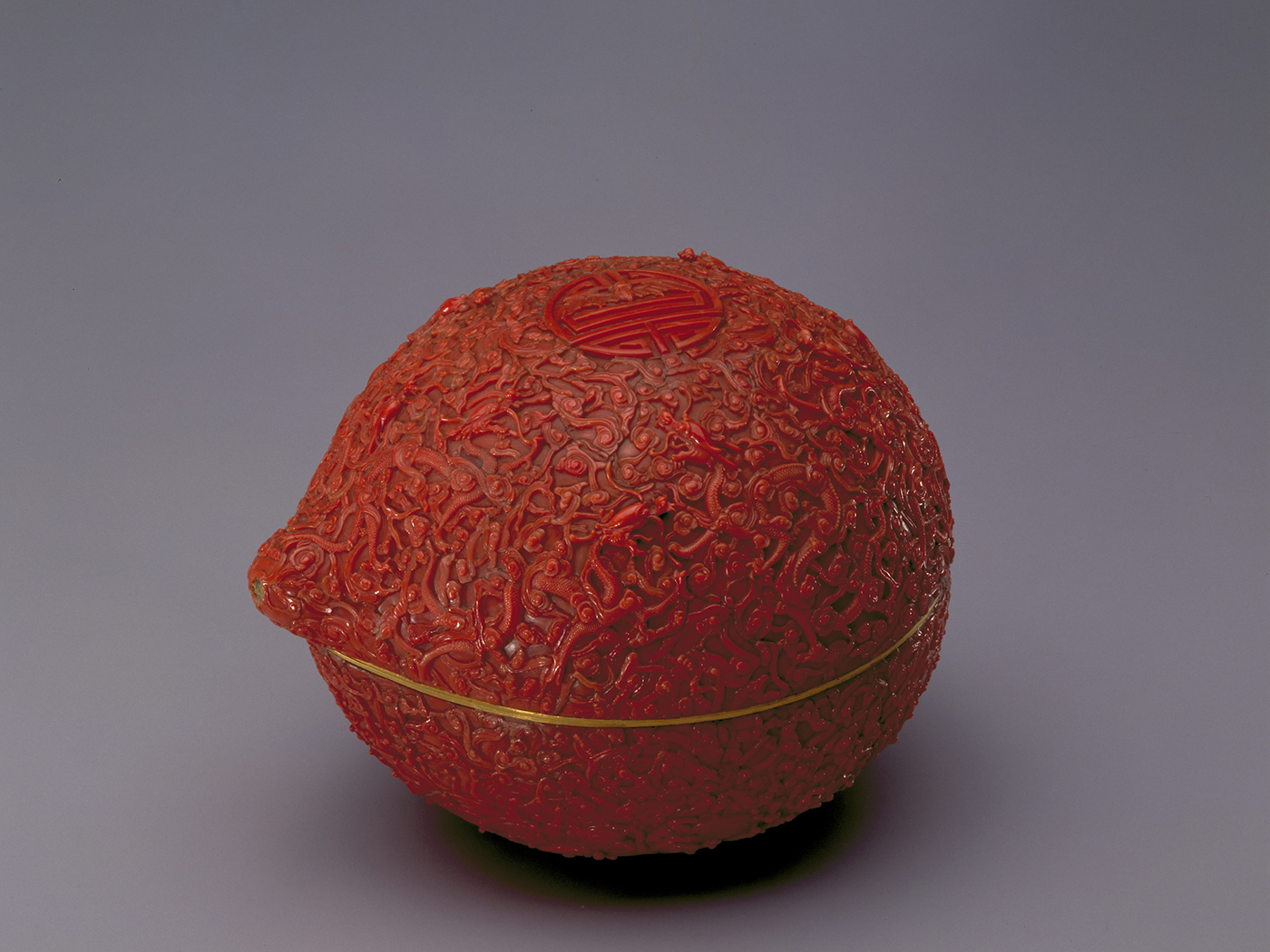
Carved red lacquer box in the shape of Guibi
Qing Dynasty, Qianlong period (1736-1795)
Wood, lacquer
The Palace Museum
© The Palace Museum
West Kowloon Cultural District, 8 Museum Drive, Kowloon