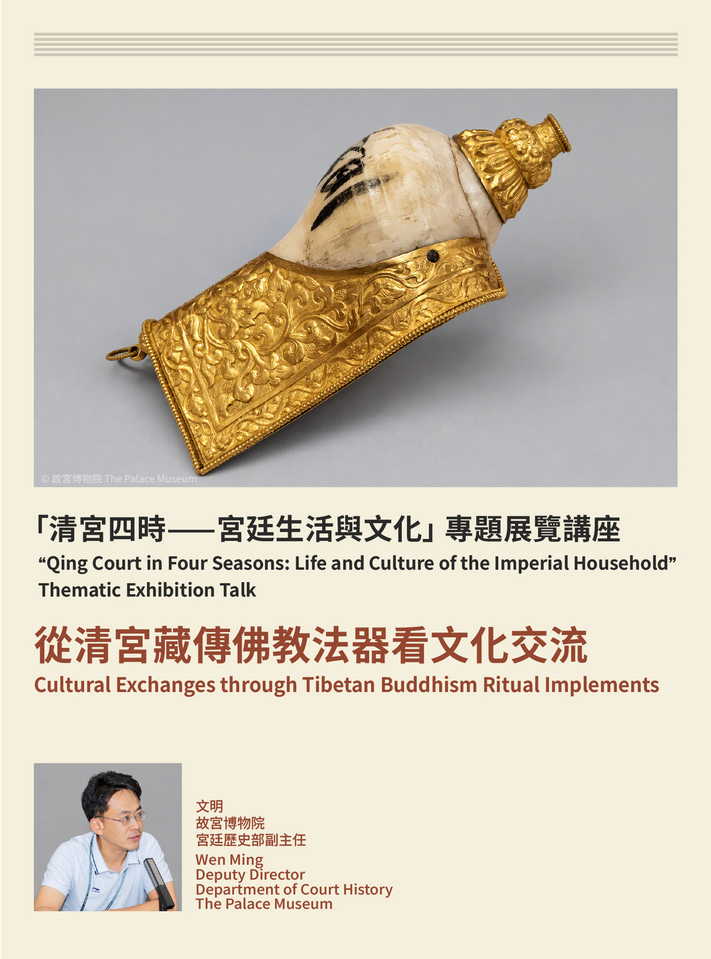
Hong Kong Palace Museum | Qing Court in Four Seasons: Life and Culture of the Imperial Household

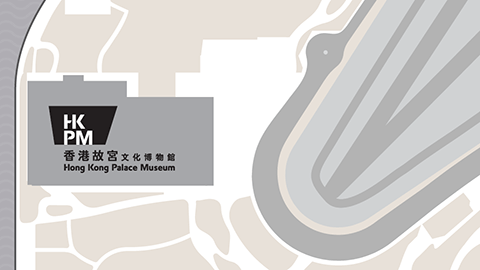
Map

Hong Kong Palace Museum

West Kowloon Cultural District, 8 Museum Drive, Kowloon


Mon, Wed, Thu & Sun
10:00 am–06:00 pm
Fri, Sat & Public Holiday
10:00 am–08:00 pm | Closed on Tuesdays (except public holidays) & the first two days of the Lunar New Year
2024-2025 web-accessibility.hk GOLD Award 2024-2025 web-accessibility.hk elderly friendly

Copyright © Hong Kong Palace Museum. All rights reserved

Important notice
x

Home Exhibitions

Qing Court in Four Seasons: Life and Culture of the Imperial Household

04.11.2026 – 03.11.2028
Qing Court in Four Seasons: Life and Culture of the Imperial Household
04.11.2026 – 03.11.2028

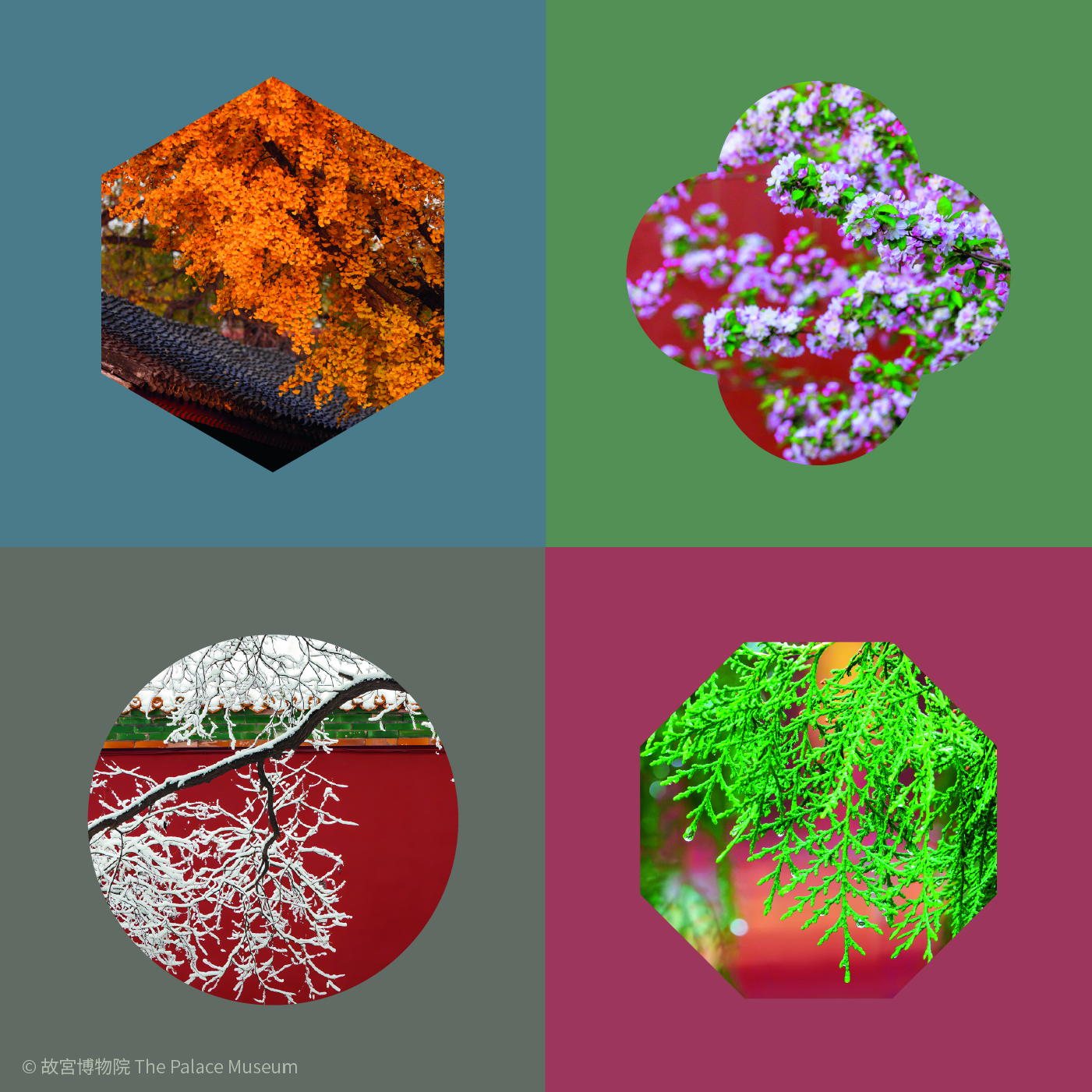
An emperor’s right to rule was granted by Heaven, according to ancient Chinese belief. That is why all rulers, dynasty after dynasty, paid attention to the accuracy of the calendar, which was based on observation of the skies. Rulers also emphasised the importance of aligning their lifestyle and activities with the natural cycle of the year.

This exhibition presents aspects of the economy, politics, military activities, lifestyle and culture of the Qing imperial court during the four seasons. We will follow the busy schedule of the Qing (1644–1911) rulers and catch glimpses of important court activities during the year. The exhibition begins with an introduction to the calendar used by the Qing imperial court. With the beginning of spring, the court focused on agriculture and sericulture and held ceremonies related to tilling and weaving. In summer, the court moved to the cooler Chengde Mountain Resort to escape the heat. Here, the emperor met with leaders of various tribes, a testament to the multicultural nature of the Qing court. In autumn, the court relocated to the Mulan Hunting Grounds and turned its attention to military training and the cultivation of martial prowess. In winter, the court celebrated the Lunar New Year and expressed wishes for the upcoming year.

The exhibition is jointly organised by the Hong Kong Palace Museum and The Palace Museum. OLI Architecture PLLC provided artistic and design direction for the exhibition.


Jointly organised by:
HKPM Palace Museum

Highlighted objects

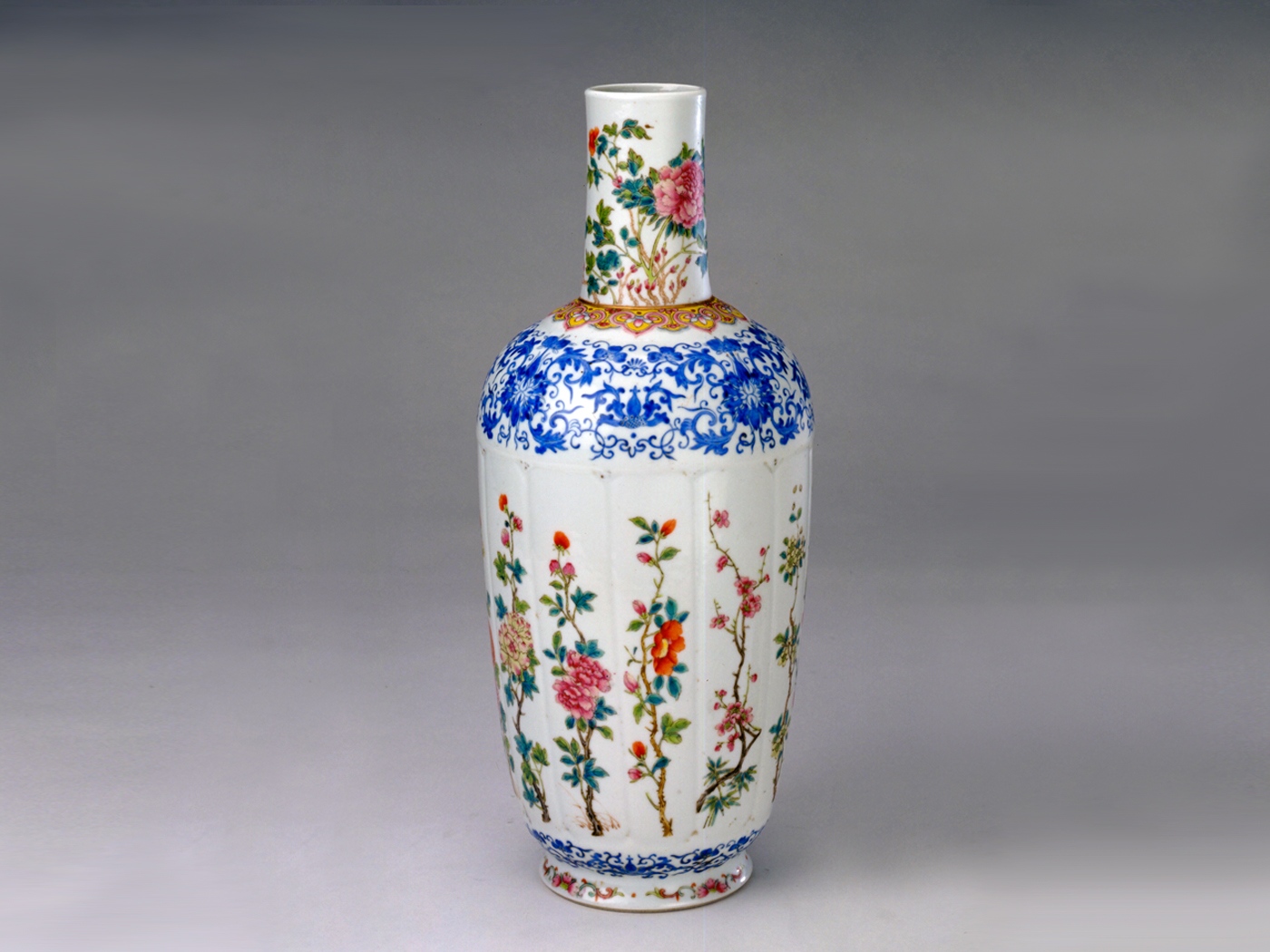
Vase with flowers of the twelve months

Vase with flowers of the twelve months

Qing dynasty, Guangxu period (1875–1908)
Porcelain with overglaze enamels
The Palace Museum
© The Palace Museum

Vase with flowers of the twelve months

The artefact here features the flowers associated with the twelve months of the year. In the Qing dynasty, the Flower Festival, held to celebrate the birthday of all flowers, fell in the second lunar month. The Qing court established temples dedicated to flower deities in Yuanming yuan and the Chengde Mountain Resort to promote agriculture and sericulture and to pray for bountiful harvests. The twelve representative flowers varied by region owing to differences in climate and flowering seasons. Since a single flower could correspond to more than one deity, the festival led to the veneration of over a hundred flower deities.

Vase with flowers of the twelve months

Qing dynasty, Guangxu period (1875–1908)
Porcelain with overglaze enamels
The Palace Museum
© The Palace Museum

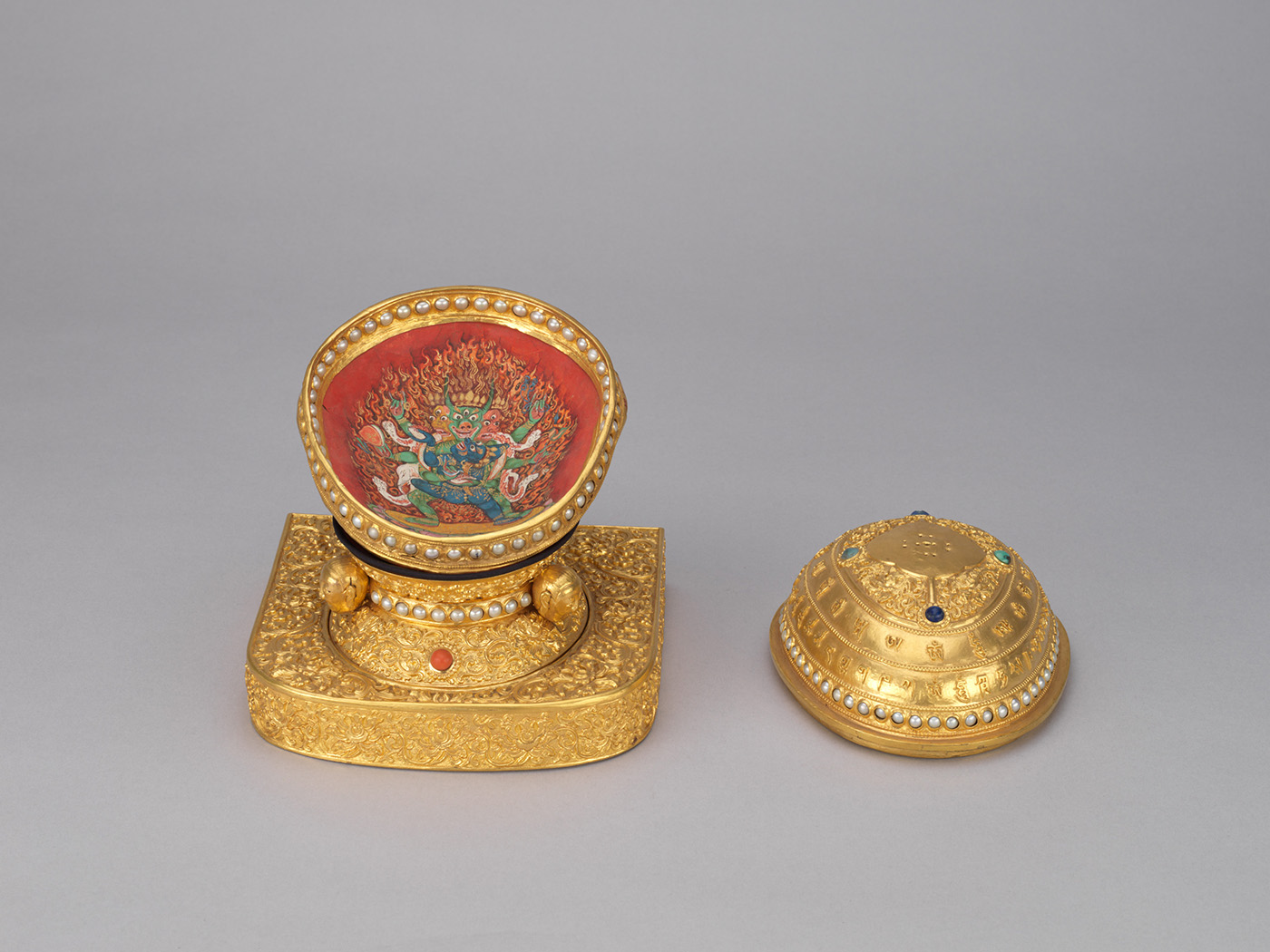
Kapala

Kapala

Qing dynasty, Qianlong mark and period (1736–1795)
Human skull, pearl, gold, colour, gemstone
The Palace Museum
© The Palace Museum

Kapala

“Kapala” is a transliteration of the Sanskrit word for skull. Kapala ritual bowls were traditionally crafted from the crania of eminent lamas who had vowed to donate their remains. As such, they are iconic offering vessels within Tibetan Buddhism. In 1780, among the tribute gifts presented by the Sixth Panchen Lama, Lobsang Palden Yeshe (1738–1780), when he travelled to the Chengde Mountain Resort for the Qianlong Emperor’s birthday was a kapala bowl. The bowl displayed here, however, was crafted by the Imperial Workshops of the Qing court. Its decoration is particularly lavish; an archival record notes that the pearl inlay alone consumed “a total of 432 pearls”.

Kapala

Qing dynasty, Qianlong mark and period (1736–1795)
Human skull, pearl, gold, colour, gemstone
The Palace Museum
© The Palace Museum

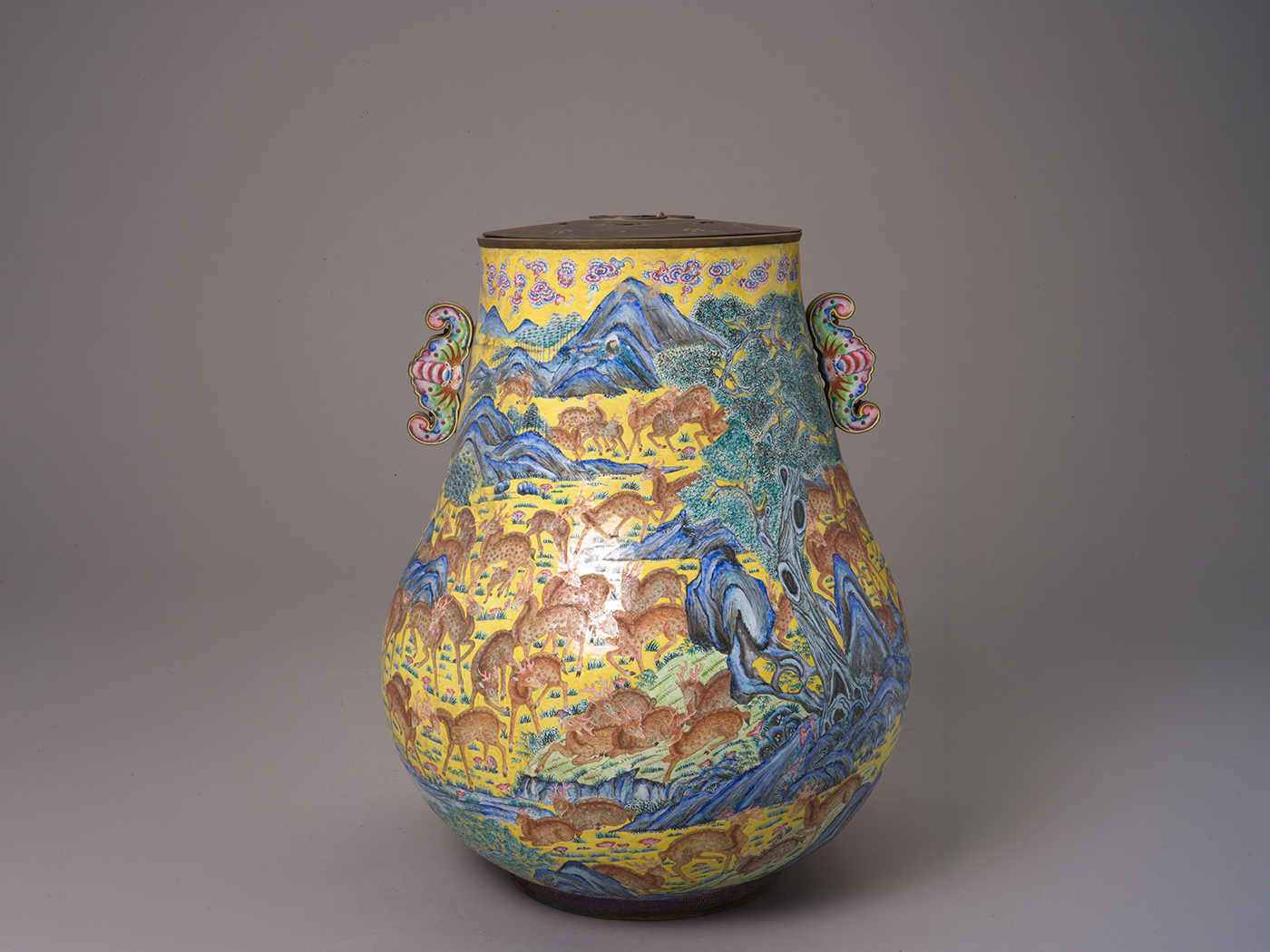
Vase with the “One Hundred Deer” pattern and bat-shaped handles

Vase with the “One Hundred Deer” pattern and bat-shaped handles

Qing dynasty (1644–1911)
Painted enamels on a copper core
The Palace Museum
© The Palace Museum

Vase with the “One Hundred Deer” pattern and bat-shaped handles

Deer were traditionally auspicious, embodying longevity and prosperity. The animal occupied an even more special place at the Qing court, which paid much attention to hunting activities. Deer were raised at many important imperial sites. The Mulan Hunting Grounds in Manchu were literally “the site for deer hunting”. The Chengde Mountain Resort, the Jingyi Garden, and the Southern Park in Beijing had deer as well. The court not only decorated objects with the “One Hundred Deer” pattern but also commissioned several paintings of the same subject matter.

Vase with the “One Hundred Deer” pattern and bat-shaped handles

Qing dynasty (1644–1911)
Painted enamels on a copper core
The Palace Museum
© The Palace Museum

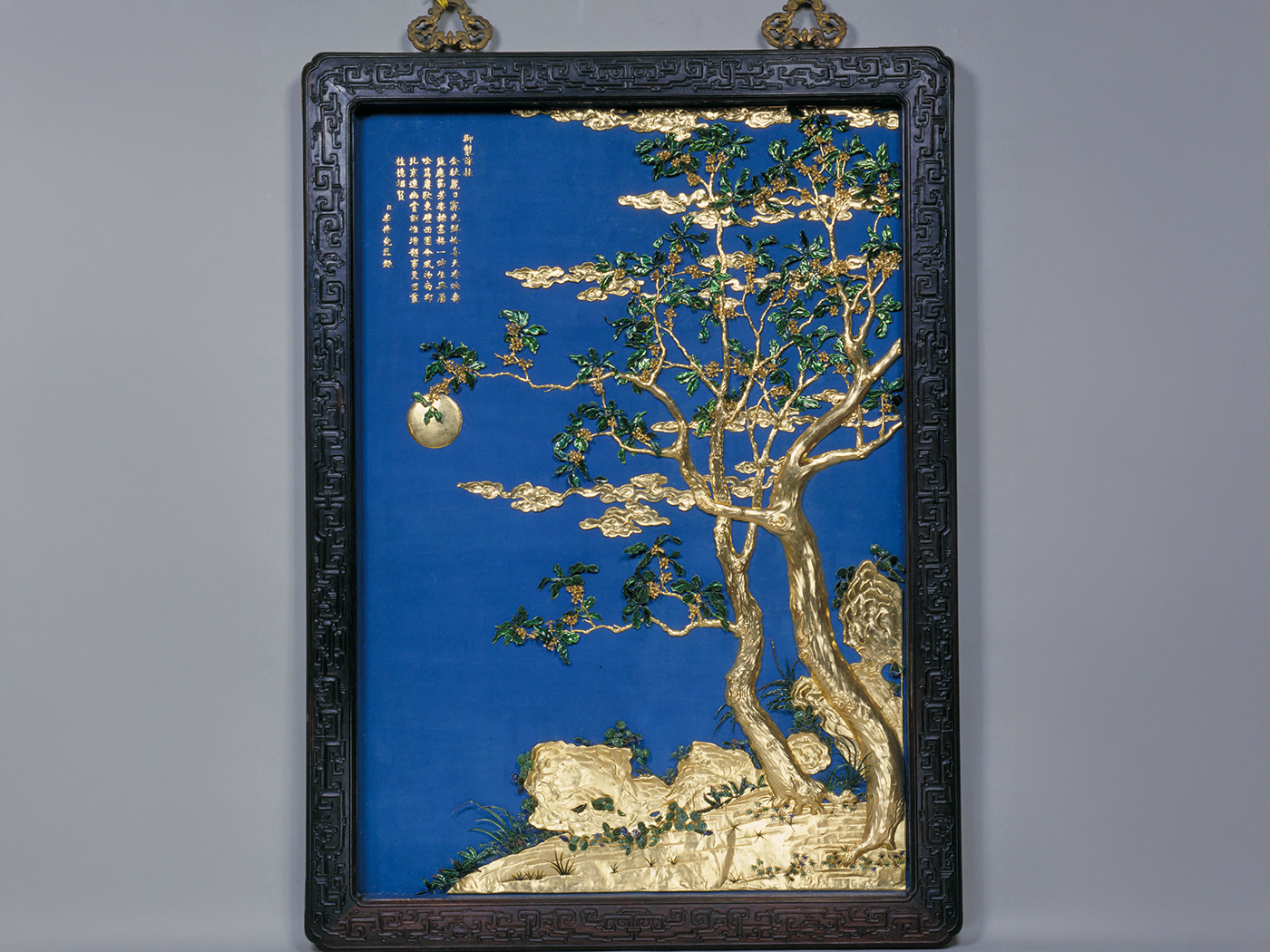
Hanging screen with osmanthus and moon

Hanging screen with osmanthus and moon

Qing dynasty, Qianlong period (1736–1795)
Zitan wood, gold, enamel
The Palace Museum
© The Palace Museum

Hanging screen with osmanthus and moon

This hanging screen was presented as a birthday gift to the Qianlong Emperor by Li Shiyao (d. 1788). The poetic inscription on the screen points out that the emperorʼs birthday coincides with the bloom time of osmanthus. The emperor was born on the 13th day of the eighth lunar month, just two days before the Mid-Autumn Festival. The court would prepare a series of celebratory events for his birthday but did not place much importance on the Mid-Autumn Festival. The Jiaqing Emperor (r. 1796–1820) referred to it dismissively as “the Melon and Pastry Festival”, noting that the court did not have a tradition of holding banquets or bestowing gifts to celebrate it. In the year following the Qianlong Emperorʼs death, the Jiaqing Emperor issued a decree that permanently halted the presentation of Mid-Autumn tributes from provinces.

Hanging screen with osmanthus and moon

Qing dynasty, Qianlong period (1736–1795)
Zitan wood, gold, enamel
The Palace Museum
© The Palace Museum

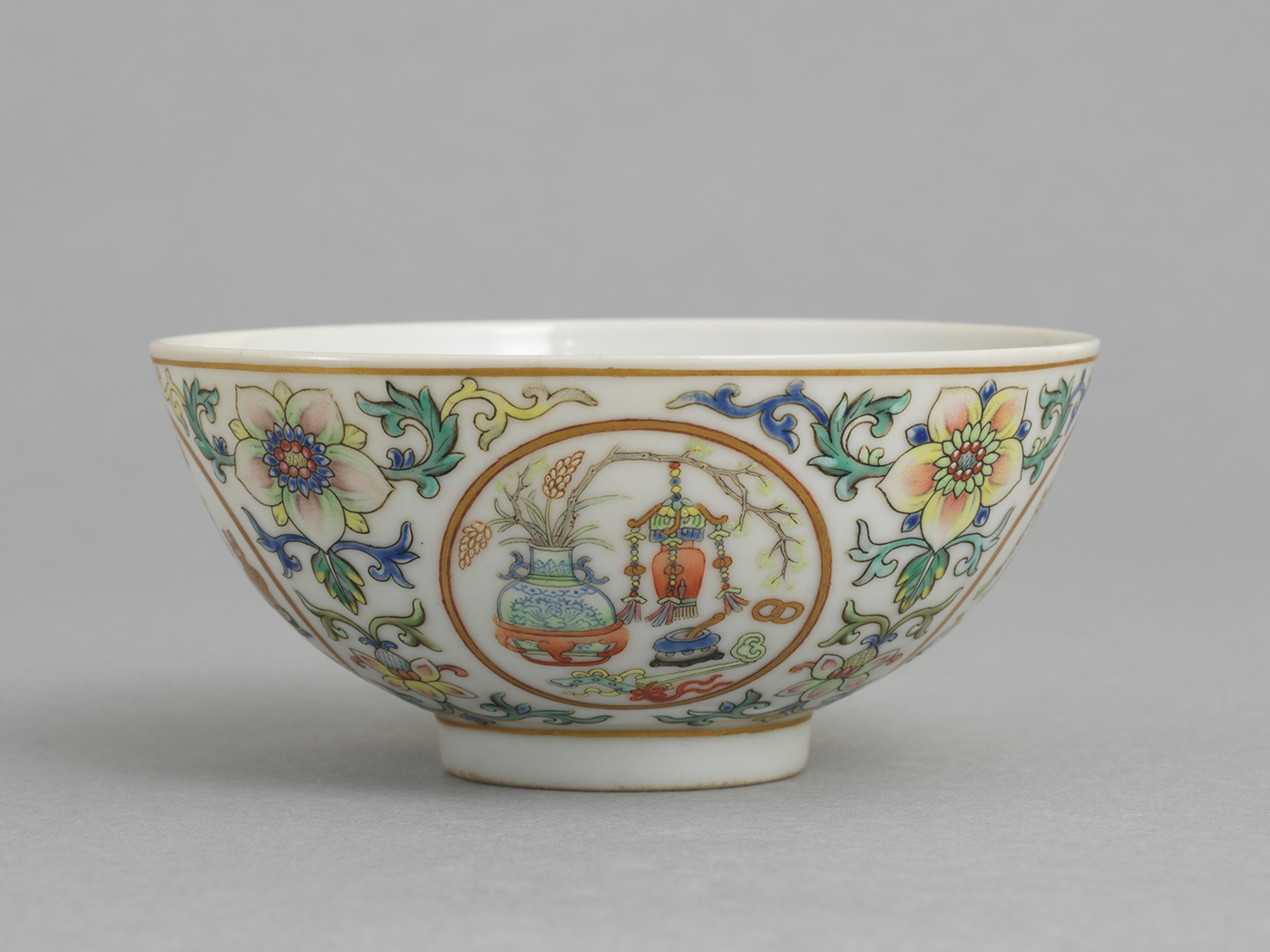
Bowl with lanterns and grains

Bowl with lanterns and grains

Qing dynasty, Daoguang period (1821–1850)
Porcelain with overglaze enamels
The Palace Museum
© The Palace Museum

Bowl with lanterns and grains

The shape and size of this object identify it as a bowl for meals used in the Qing court. Its lantern and grain patterns convey wishes for an abundant harvest. Qing court records state that the Qianlong Emperor (r. 1736–1795) ate sweet glutinous rice balls from enamelled bowls decorated with lanterns and grains, which suggests that the bowl here was used that way during the festival.

Bowl with lanterns and grains

Qing dynasty, Daoguang period (1821–1850)
Porcelain with overglaze enamels
The Palace Museum
© The Palace Museum

More...

Become HKPM Friends

Enjoy unlimited visit to all thematic exhibitions

Join now

Stay connected

  • Stay tuned for upcoming events and other Museum news
  • Receive updates about your areas of interest
Top
Hong Kong Palace Museum
Map

Hong Kong Palace Museum

West Kowloon Cultural District, 8 Museum Drive, Kowloon


Mon, Wed, Thu & Sun
10:00 am–06:00 pm
Fri, Sat & Public Holiday
10:00 am–08:00 pm | Closed on Tuesdays (except public holidays) & the first two days of the Lunar New Year